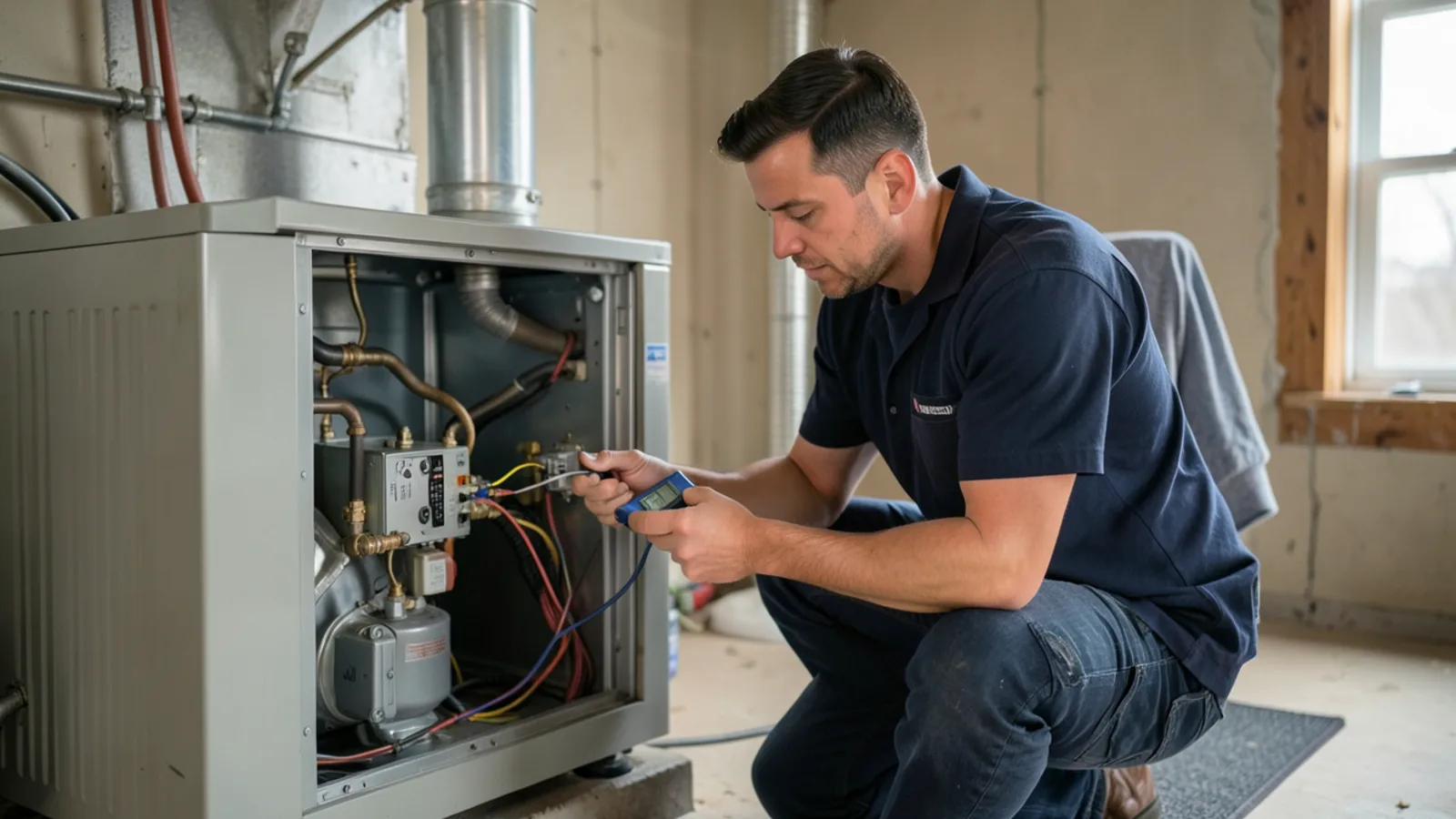
Furnace Repair in Merrimack, NH
Precision diagnosis and same-day repair for gas, oil, and propane forced-air furnaces throughout Merrimack, Nashua, Manchester, and southern New Hampshire.
Merrimack Hub
454 Daniel Webster Hwy
Rapid Dispatch
10–25 Min Metro Arrival
Upfront Pricing
Clear Quotes Before Work
Multi-Fuel Pro
Gas, Oil & Propane Systems
Service Standards & Guarantees
- Same-day emergency diagnostic dispatch across southern NH
- Complete truck inventory of universal igniters, flame sensors & motors
- Natural gas, fuel oil, and propane combustion specialists
- Digital combustion efficiency & carbon monoxide safety testing
Signs Your Southern NH Furnace Requires Immediate Service
When winter temperatures plunge below freezing along the Merrimack River valley, a malfunctioning furnace quickly turns a minor household inconvenience into an urgent heating emergency. Homeowners throughout Merrimack, Nashua, and Bedford often notice telltale diagnostic symptoms days before a complete no-heat failure occurs.
Common early warnings include supply registers blowing lukewarm or chilly air while the thermostat calls for heat, the blower fan running continuously without burner ignition, or violent mechanical noises such as squealing motor bearings, rhythmic thumping from the blower cage, or loud booms during delayed ignition.
If your heating system short-cycles—igniting for two to three minutes and abruptly shutting down before reaching your thermostat setpoint—internal safety limit switches are actively preventing heat exchanger overheating. Ignoring repeated short-cycling cycles risks warping or cracking the primary heat exchanger cells, introducing lethal carbon monoxide hazards into living spaces.
- Thermostat set to HEAT but indoor ambient temperature continually drops below setpoint
- Rapid electronic clicking from the integrated furnace control board without burner ignition
- Persistent burning odor, electrical ozone smell, or unburned fuel aroma near supply vents
- Integrated control board LED blinking yellow or red diagnostic error codes through the sight glass
- Yellow, wavy, or flickering burner flames instead of a stable, crisp blue flame core
Experiencing Issues With Your Furnace Repair?
Call our Merrimack diagnostic desk directly. Speak with an experienced technician who will explain your options and dispatch help promptly.
- Fast 10–25 minute arrival across Merrimack, Nashua & Manchester
- Upfront diagnosis & written estimate before any work begins
- Full service for natural gas, fuel oil, and propane equipment
Merrimack Hub
454 Daniel Webster Hwy
Rapid Dispatch
10–25 Min Metro Arrival
Upfront Pricing
Clear Quotes Before Work
Multi-Fuel Pro
Gas, Oil & Propane Systems
Common Causes of Furnace Failures in Cold Weather
Southern New Hampshire's rigorous winter climate—logging approximately 6,693 annual heating degree-days and frequent sub-zero nor'easters—imposes massive thermal expansion cycles on residential furnaces. During deep cold snaps, heating systems cycle dozens of times daily, accelerating mechanical wear.
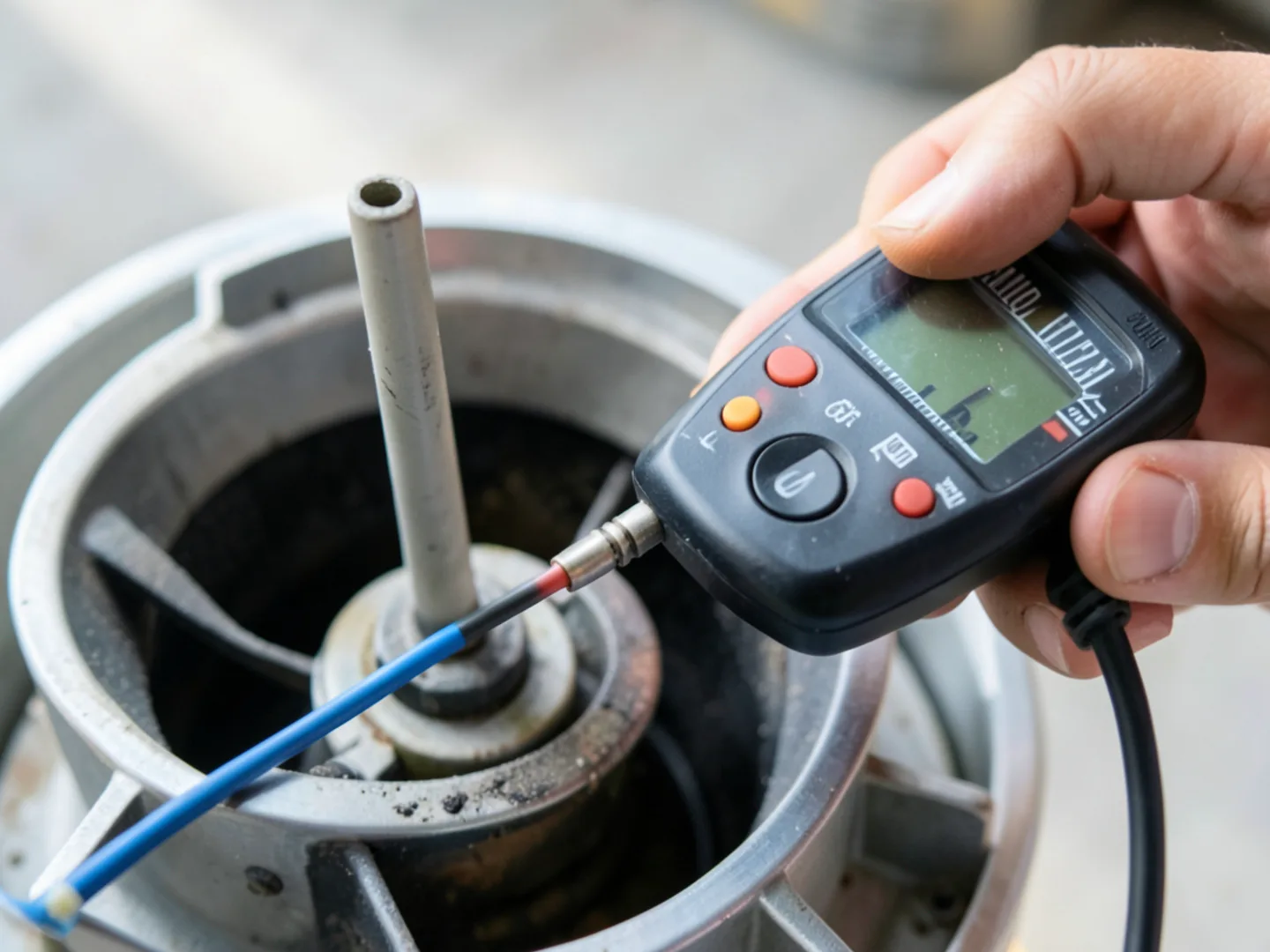
In natural gas systems supplied by Liberty gas lines across Merrimack, Nashua, and Manchester, the single most frequent failure point is flame sensor oxidation. As microscopic silica and airborne combustion byproducts coat the stainless steel sensor rod, electrical resistance rises until the microamp rectification signal drops below 1.0 µA DC. The control board interprets this as a flame failure and closes the automatic gas valve within four seconds to prevent unburned gas accumulation.
In oil-fired furnaces common in older subdivisions and rural neighborhoods of Litchfield, Hollis, and Amherst, clogged burner nozzle orifices, contaminated fuel pump strainers, or glazed cad cell optical sensors frequently trigger lockouts on the primary safety control. In addition, moisture condensation inside outdoor or unconditioned oil tanks can freeze in cold fuel lines, starving the burner nozzle.
On high-efficiency condensing furnaces (90%+ AFUE) vented through sidewall PVC pipes, heavy blowing snow and ice dams can block exterior intake and exhaust terminations. When the inducer cannot move flue gases, the differential pressure switch detects inadequate draft and opens the safety circuit, halting the ignition sequence immediately.
Our 6-Step Systematic Furnace Diagnostic & Repair Sequence
We never guess at furnace problems or swap expensive components on trial and error. When our service van arrives at your property, our technician follows an exhaustive six-step diagnostic protocol using calibrated electronic instruments to pinpoint the exact failure.
Step 1: Electrical & Blink Code Interrogation
We verify 120V line voltage, inspect the door safety switch, test the 24V secondary transformer output, and record active and stored blink fault codes from the microprocessor control board before cycling master power.
Step 2: Safety Limit & Rollout Circuit Verification
We test continuity across all high-limit thermal switches, flame rollout sensors, and auxiliary pan float switches using a true-RMS digital multimeter to ensure safety interlocks are intact.
Step 3: Combustion Air & Draft Inducer Analysis
Using a dual-port digital manometer, we measure the negative static pressure created by the draft inducer blower. We verify the reading against manufacturer rating plate specifications (typically -0.45" to -1.25" W.C.) to confirm the flue path is clear.
Step 4: Hot Surface Ignition & Flame Rectification Testing
We measure electrical resistance across the silicon nitride or silicon carbide hot surface igniter (healthy range 40–90 ohms) and test DC microamp flame rectification current in series with the flame rod to ensure a robust >1.5 µA signal.
Step 5: Fuel Delivery & Gas Manifold Pressure Calibration
For gas systems, we test standing and operating line pressure plus regulated manifold pressure (3.5" W.C. for natural gas; 10.0" W.C. for liquid propane). For oil furnaces, we test pump cutoff pressure and inspect fuel nozzles.
Step 6: Flue Gas Combustion & Optical Heat Exchanger Inspection
We insert an electronic combustion analyzer into the exhaust flue to measure stack temperature, excess air, O2 percentage, and carbon monoxide (CO <100 ppm air-free). Finally, we use high-resolution optical borescopes to inspect heat exchanger cells for microscopic cracks.
Permit Requirements, Flue Codes & Safety Standards in Merrimack
Furnace repairs and equipment alterations must adhere strictly to state and local mechanical safety codes. In the Town of Merrimack, the Building Division enforces the New Hampshire State Building Code alongside NFPA 54 (National Fuel Gas Code) for natural gas and propane installations, and NFPA 31 for oil-burning systems.
While routine component servicing (such as replacing flame sensors, run capacitors, or igniters) does not require municipal permitting, major mechanical work involving gas line piping alterations, new flue installations, or furnace replacements requires a standard $75 Town of Merrimack mechanical permit followed by a code compliance inspection.
For modern high-efficiency direct-vent furnaces, exhaust terminations must maintain minimum clearances: at least 12 inches above maximum anticipated snow drift levels, 4 feet below or to the side of operable windows, and properly pitched back toward the furnace condensate trap to prevent freeze-ups in sub-zero winter temperatures.
Furnace Tune-Ups & Fall Preventative Maintenance Plans
An annual professional furnace tune-up is the most dependable safeguard against unexpected winter breakdowns. Our comprehensive 21-point heating inspection cleans combustion surfaces, balances airflow, and verifies electrical controls before freezing weather arrives.
During a fall tune-up, our technician cleans burner tubes, tests blower motor capacitor microfarad ratings, checks the high-limit safety cutoff switch, lubricates bearings where applicable, cleans the condensate trap on high-efficiency condensing furnaces, and tests the thermostat differential.
| Inspection Point | Standard Specification | Why It Matters |
|---|---|---|
| Flame Sensor Current | 1.5 – 4.0 µA DC | Prevents sudden burner lockout and cold air blowing |
| Gas Manifold Pressure | 3.5" W.C. (Nat Gas) / 10" (LP) | Ensures correct fuel-air ratio and avoids soot buildup |
| Blower Capacitor | Within ±5% of µF rating | Prevents blower motor burnout and heat exchanger overheating |
| Temperature Rise | Per Rating Plate (typically 35°–65°F) | Guarantees safe airflow volume and optimal efficiency |
| CO in Flue Gas | < 100 PPM Air-Free | Verifies complete combustion and confirms heat exchanger integrity |
Why Merrimack Homeowners Choose Puzzled Comfort HVAC
Puzzled Comfort HVAC operates directly out of Merrimack at 454 Daniel Webster Highway, Suite 4. Our central Hillsborough County dispatch point means our service technicians are already in your neighborhood, averaging 10 to 25 minutes transit time along Route 3, DW Highway, and the Everett Turnpike.
We believe in straightforward, plain-spoken heating advice. When our technician inspects your furnace, we explain the root cause of the failure in plain English, outline your repair options honestly, and provide a clear written estimate before starting any work. We never impose high-pressure equipment sales or push unnecessary replacements when a reliable component repair makes practical financial sense.
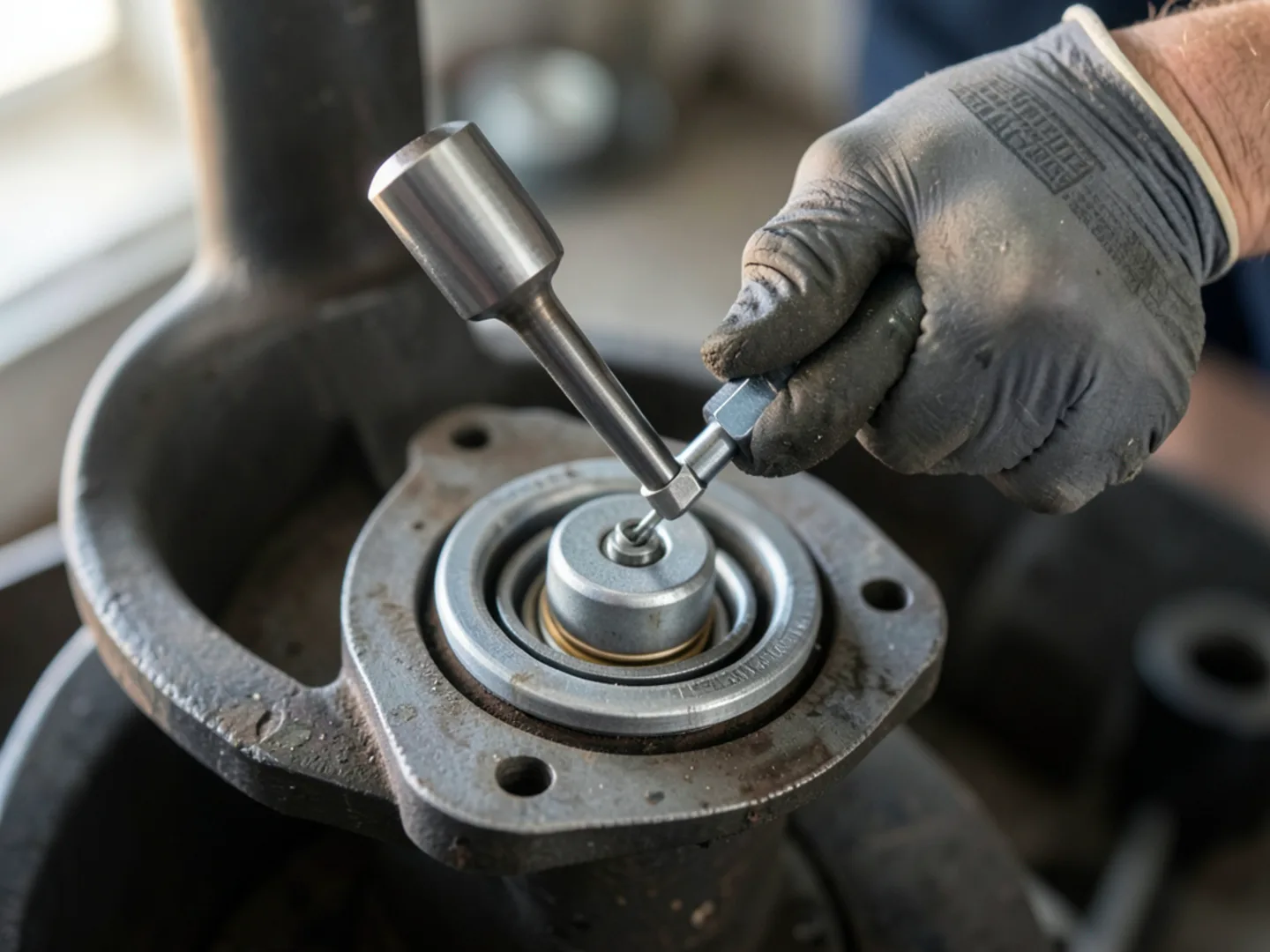
Our mobile service vans carry universal silicon-nitride hot surface igniters, flame rods, 24V control transformers, multi-speed blower capacitors, and electronic ignition modules, enabling us to restore heat on the first visit in over 85% of service calls.
What Factors Influence Furnace Repair Costs in Merrimack?
We believe in 100% transparent pricing. You will always receive a full explanation of the failure and an upfront written quote before our technician turns a single wrench.
The overall cost of a furnace repair is driven by several factual technical factors: the fuel type (oil burners require specialized nozzles and combustion chambers, while gas systems feature electronic modules), the specific part required (a universal flame sensor or run capacitor is inexpensive, while an ECM variable-speed blower motor or primary heat exchanger represents a significant mechanical investment), and whether the service call occurs during standard operating hours or as an emergency midnight response.
Our service trucks are stocked with common OEM and universal parts, allowing us to complete more than 85% of standard furnace repairs on the initial visit without waiting for parts warehouses to open.
Frequently Asked Questions About Furnace Repair
Straightforward answers to the most common questions our technicians receive on the job.
Cold air usually indicates that the blower fan is circulating air while the burner has locked out. This is most commonly caused by an oxidized flame sensor rod, a burned-out hot surface igniter, or a tripped high-limit switch triggered by a dirty 1-inch or 4-inch air filter that restricted airflow across the heat exchanger.
Have a question about your specific heating system or fuel type?
Speak directly with a local technician to discuss symptoms and dispatch options.
Call Our Dispatch Desk: (321) 666-8870Ready for Reliable Furnace Repair?
Call Puzzled Comfort HVAC at (321) 666-8870. Fast southern NH dispatch, clear quotes, and no-nonsense heating solutions.
- Fast 10–25 minute arrival across Merrimack, Nashua & Manchester
- Upfront diagnosis & written estimate before any work begins
- Full service for natural gas, fuel oil, and propane equipment
Merrimack Hub
454 Daniel Webster Hwy
Rapid Dispatch
10–25 Min Metro Arrival
Upfront Pricing
Clear Quotes Before Work
Multi-Fuel Pro
Gas, Oil & Propane Systems