
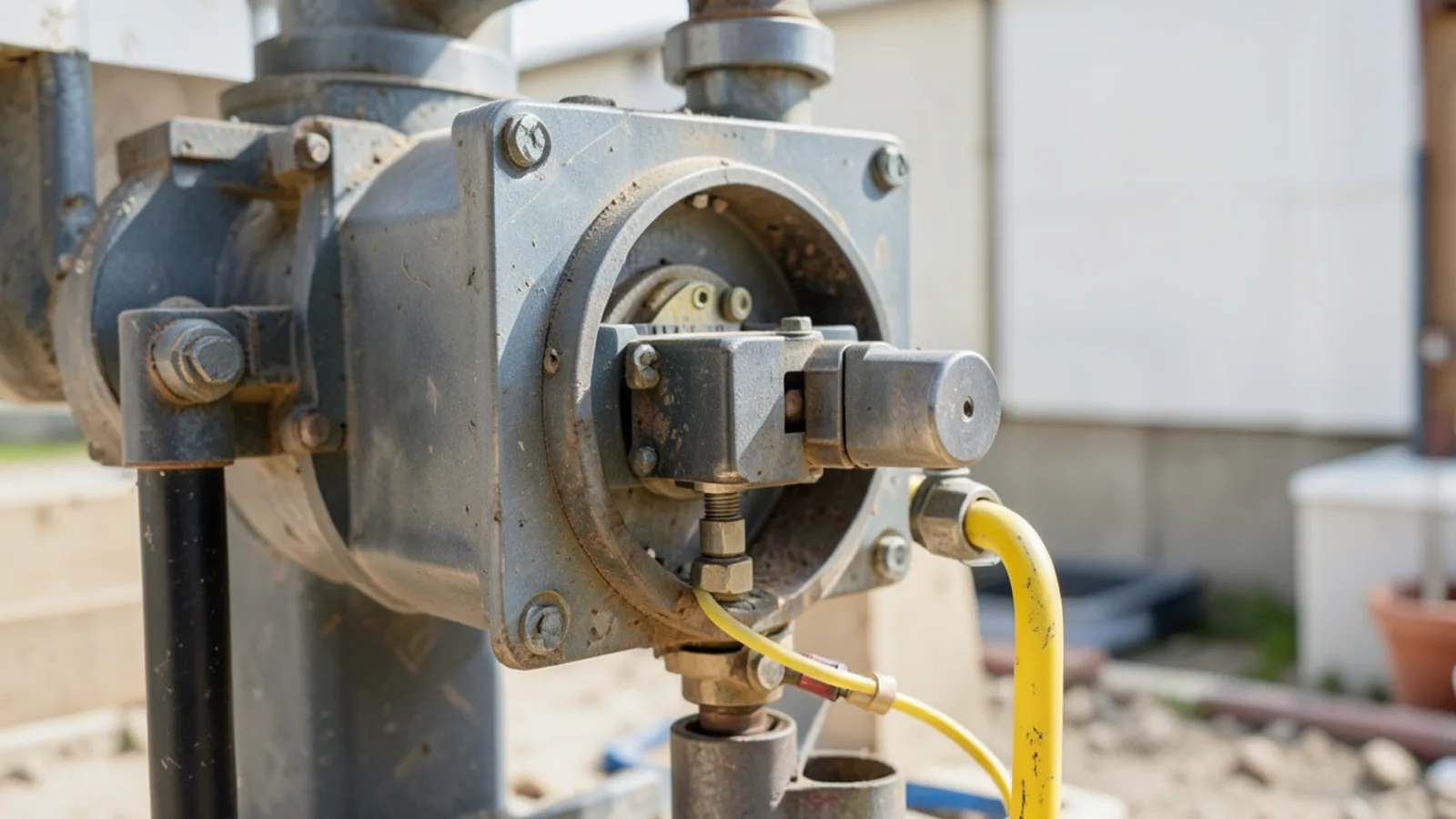
The Hydronic Heritage of Southern New Hampshire
Throughout Amherst, Hollis, Milford, and the older residential neighborhoods of Nashua and Manchester, thousands of homes depend on oil-fired hydronic boilers for winter warmth. These cast-iron workhorses have heated New England properties reliably for generations, delivering gentle, quiet radiant comfort through copper fin-tube baseboards or historic cast-iron radiators.
However, oil-fired heating plants are complex mechanical systems involving high-pressure fuel atomization, 10,000-volt ignition arcs, and closed-loop pressurized water circulation. When an oil boiler stops firing in mid-winter, diagnosing the exact failure requires understanding how fuel delivery, combustion safety, and hydronic circulation interact.
This diagnostic guide explains the most frequent mechanical causes of oil boiler failures in Hillsborough County homes, safe emergency homeowner checks, and why professional preventative maintenance is vital.
Need In-Person Heating Diagnostics in Southern NH?
Our Merrimack technicians carry diagnostic equipment and replacement parts on every dispatch. Call to discuss your heating system.
- Fast 10–25 minute arrival across Merrimack, Nashua & Manchester
- Upfront diagnosis & written estimate before any work begins
- Full service for natural gas, fuel oil, and propane equipment
Merrimack Hub
454 Daniel Webster Hwy
Rapid Dispatch
10–25 Min Metro Arrival
Upfront Pricing
Clear Quotes Before Work
Multi-Fuel Pro
Gas, Oil & Propane Systems
Anatomy of an Oil Burner: What Happens During Firing
To troubleshoot an oil boiler, it helps to understand its sequence of operation. When your wall thermostat calls for heat, the boiler aquastat signals the oil burner primary control relay (commonly manufactured by Honeywell or Beckett).
1. Combustion Motor Starts: The burner motor spins the combustion air fan and drives the mechanical fuel oil pump.
2. Fuel Pressurization & Atomization: The pump draws fuel oil from your tank through an inline spin-on filter, pressurizing it to 100 to 140 PSI before forcing it through a microscopic brass nozzle that sprays an atomized cone of fuel mist.
3. High-Voltage Spark Ignition: An ignition transformer steps household 120V power up to 10,000 to 14,000 volts, producing an intense continuous electrical arc between two porcelain-insulated electrodes.
4. Cad Cell Flame Verification: As ignition occurs, a light-sensitive cadmium sulfide photocell ('cad cell eye') detects the bright yellow flame. If the cad cell confirms flame within 15 to 45 seconds, the primary control keeps the oil solenoid open. If no flame is detected, the control locks out immediately to prevent flooding the chamber with raw fuel.
Top Mechanical Causes of Oil Boiler Failures
When an oil boiler shuts down, technicians investigate four primary failure categories:
Cause 1: Clogged Oil Nozzle & Sludged Fuel Filters
Fuel oil tanks accumulate microscopic rust sediment, condensation water, and paraffin wax sludge over time. If the canister fuel filter or pump strainer becomes choked with sediment, fuel pressure to the nozzle drops. An atomizing nozzle with partial orifice clogging produces an irregular spray pattern, causing smoky combustion, soot buildup, and ignition failure.
Cause 2: Sooted Cad Cell Photocell Eye
The cad cell is positioned inside the burner blast tube aiming directly at the combustion chamber. Over months of firing, airborne dust or slight burner sooting can coat the glass lens of the photocell. Even if the burner fires successfully, the blinded cad cell cannot detect the light, causing the primary safety relay to trip on safety lockout 30 seconds after ignition.
Cause 3: Air-Bound Hydronic Baseboard Zones
If the burner fires and the boiler water temperature reaches 180°F, but the baseboards in your living room or second-floor bedrooms remain ice cold, the problem is not combustion—it is an airlock in your hydronic distribution piping. Air pockets naturally collect at the highest physical point in closed-loop piping, completely blocking the flow of circulating water. Purging the zone with high-pressure city water through a drain manifold is required to restore flow.
Cause 4: Waterlogged Expansion Tanks & Leaking Relief Valves
Water expands when heated. Closed hydronic heating loops rely on a diaphragm expansion tank to absorb this volumetric expansion. When the internal rubber diaphragm ruptures, the tank fills solid with water. With nowhere for expanding water to go, system pressure spikes above 30 PSI, triggering the brass safety relief valve to spew scalding water onto your basement floor.
The Red Reset Button: Critical Life-Safety Rules
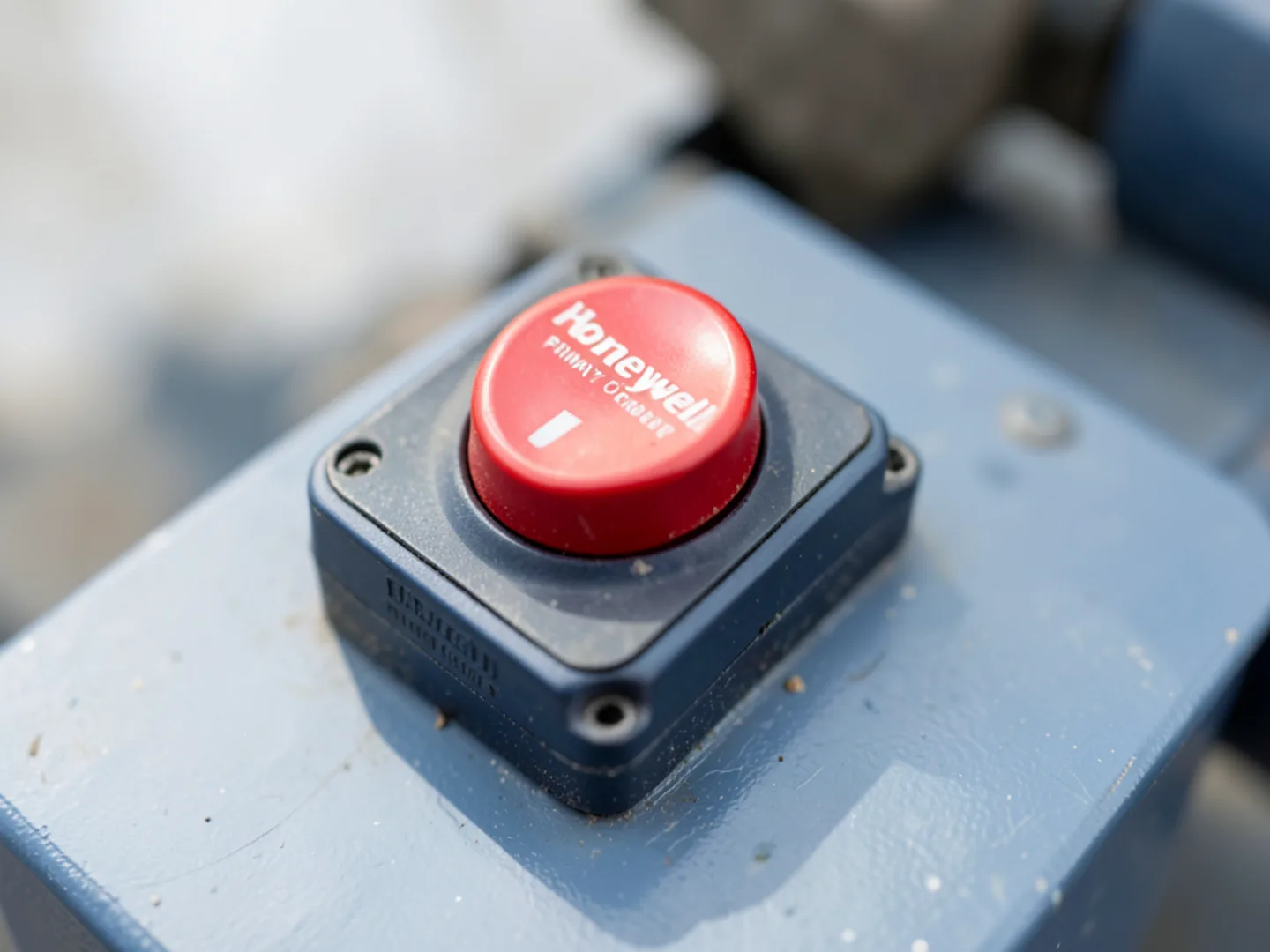
Every modern oil burner features a red reset button mounted on the primary control box. If your boiler is completely silent, pressing this button once can restart the ignition sequence.
**CRITICAL WARNING:** You may press the reset button **ONLY ONCE**.
If the burner fails to start or shuts off again within 45 seconds, **DO NOT press the reset button again.**
Each time you press the reset button, the oil pump sprays raw atomized fuel into the combustion chamber. If the fuel fails to ignite, it pools as liquid oil in the bottom of the refractory firebox. If repeated reset attempts are made and the burner eventually catches, the accumulated fuel vaporizes and detonates in an explosive flash fire known as an **oil puff-back**.
An oil puff-back can blow the heavy steel flue pipe off the boiler, blast the cellar access doors open, and distribute sticky, greasy black soot through every room, closet, and duct in your home, resulting in tens of thousands of dollars in restoration damage.
Diagnostic Troubleshooting Matrix for Oil Heating Systems
Review this diagnostic matrix to match observed symptoms with field solutions:
| Observed Problem | Underlying Mechanical Fault | Field Diagnostic Procedure | Permanent Solution |
|---|---|---|---|
| Burner completely silent; red button lit | Ignition failure; cad cell trip | Check oil tank gauge, test transformer | Clean cad cell eye; replace nozzle and oil filter |
| Burner fires 30 sec, then locks out | Fouled cad cell or weak flame | Measure cad cell resistance in ohms (should be <1600Ω) | Wipe lens, align electrodes, tune air shutter |
| Boiler hot (180°F), but baseboards cold | Airlock in loop or bad Taco circulator | Feel supply pipe temperature before/after pump | Purge airlocks with hose; replace circulator cartridge |
| Pressure gauge reads 30+ PSI; valve dripping | Waterlogged diaphragm expansion tank | Tap tank; check Schrader air valve for water | Replace expansion tank and 30 PSI relief valve |
| Rumbling, pulsing sound on startup | Delayed ignition or dirty combustion chamber | Check chimney draft; inspect blast tube | Complete chamber vacuuming and electrode gap tuning |
Expert Insight: Cad Cell Photocell Ohms Testing & Puff-Back Combustion Physics
Understanding why an oil burner locks out on safety requires understanding cadmium sulfide photocell physics. The cad cell eye is a light-sensitive resistor aimed directly down the burner blast tube at the atomized fuel spray. In total darkness—before the spark ignites the oil—its internal electrical resistance is nearly infinite, measuring well over 100,000 ohms.
When the ignition transformer arcs and fuel ignites, the bright yellow flame floods the cadmium face with photons, causing its internal resistance to drop sharply. Honeywell and Beckett primary safety controls require the cad cell resistance across the F-F control terminals to measure below 1,600 ohms (ideally between 300 and 800 ohms on a clean, bright fire). If soot coats the glass photocell, or if the combustion air shutter is adjusted improperly—producing a dull orange, smoky flame—cad cell resistance rises to 2,000 to 3,000 ohms. At this threshold, the primary control thinks the flame has extinguished and immediately shuts down the oil valve on a 45-second safety lockout.
Field technicians do not guess at flame quality. We use calibrated digital multimeters to measure exact operating resistance in ohms during live firing. Furthermore, we inspect the combustion head to ensure oil spray is not impinging on the retention ring. When oil droplets wet the retention ring, they carbonize into heavy rock-like coke deposits that distort combustion airflow, leading to erratic spark ignition and dangerous oil puff-backs.
Hydronic Zone Balancing: Taco Circulator Cartridge Cavitation vs Frozen Baseboard Loops
One of the most frustrating winter phone calls we receive from homeowners in historic Amherst, Milford, and Hollis is: 'My boiler is hot and running, but our bedrooms are completely freezing.' When the cast-iron boiler reaches its 180°F aquastat limit but heat never reaches the rooms, the failure lies within the hydronic distribution system.
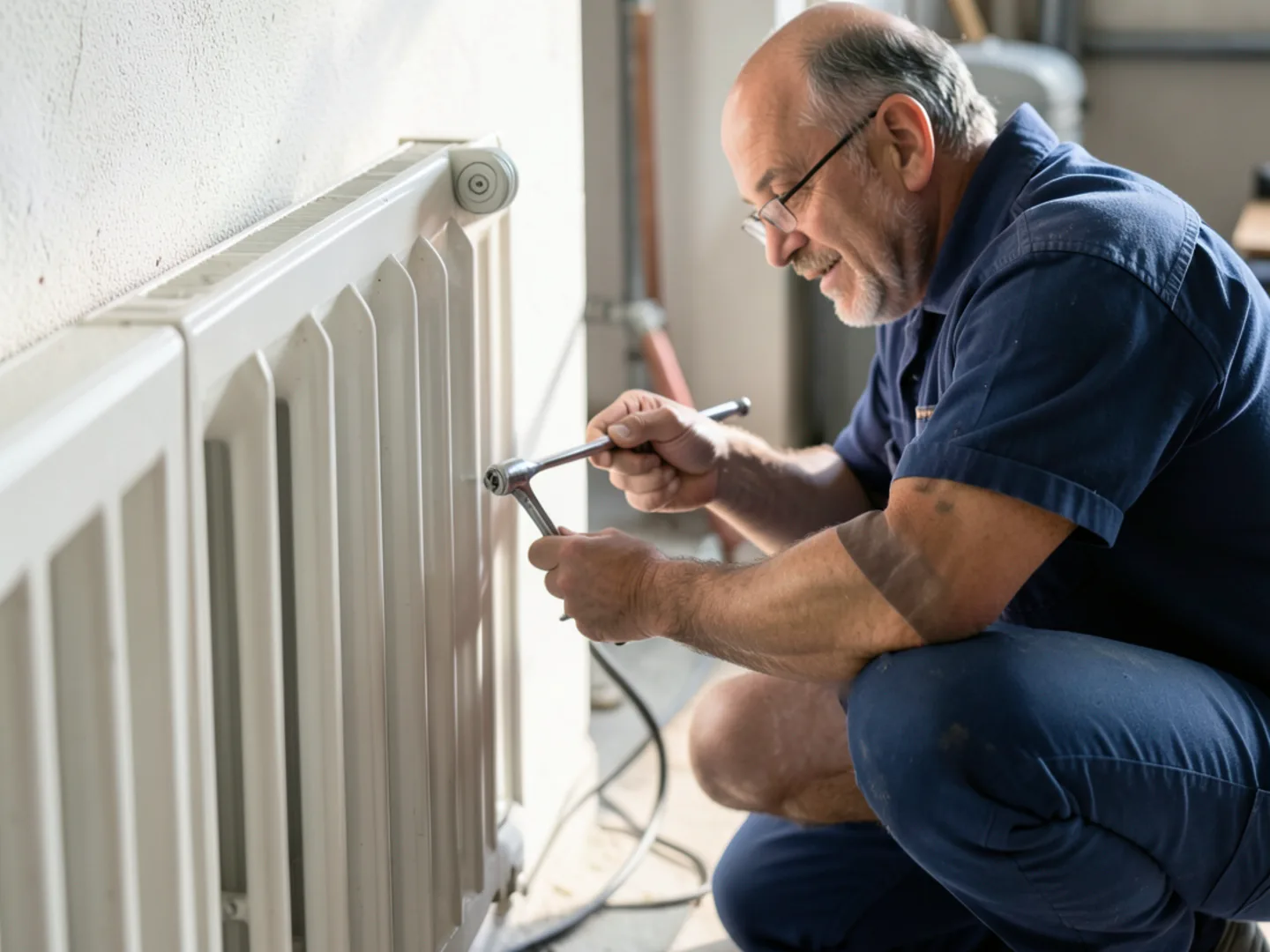
In modern zoned hydronic heating, each floor or living wing is controlled by an individual thermostat that activates either a motorized zone valve or a dedicated wet-rotor circulator pump (such as a Taco 007 or Grundfos UP series). Over years of service, microscopic magnetite (black iron oxide sludge) suspended in heating water can infiltrate the water-lubricated motor cartridge. This causes the internal ceramic shaft to bind, spin at reduced RPMs, or seize completely. Technicians check circulator operational health by measuring running amperage and taking differential temperature readings across the cast-iron pump flanges with non-contact infrared thermometers.
Alternatively, if the circulator pump is spinning freely but the pipe remains cold just beyond the basement manifold, an airlock is obstructing the circuit. Because air is lighter than water, bubbles naturally rise to the highest radiation loop. In severe Hillsborough County sub-zero weather, an unheated, air-bound loop running along an uninsulated exterior cantilever or rim joist can freeze solid within hours. If you suspect an airlock or localized freeze block, professional power-purging using a high-flow utility pump is essential before the copper pipe splits.
Common Questions on this Topic
Practical answers from our experienced HVAC service technicians.
Oil boilers require annual servicing every autumn. Because fuel oil produces combustion soot and residue, annual nozzle replacement, filter changes, and heat exchanger vacuuming are essential to maintain efficiency and prevent midnight winter breakdowns.
Have a question about your specific heating system or fuel type?
Speak directly with a local technician to discuss symptoms and dispatch options.
Call Our Dispatch Desk: (321) 666-8870